Shani shanti
Shani shanti is a shanti puja for Shani, done at the house. It uses the mantra, the offerings, and a havan when the family has asked for havan. It is not a prediction and it is not a report.
Shani shanti
शनि शांति पूजा
The rite
Shani shanti anusthan is graha worship with counted jap and havan at your house in Bengaluru. Families book it when they have already chosen this rite after their own jyotish discussion; this page describes the anusthan only and does not read a kundli or sell a chart report. In tradition Shani is linked with duty, discipline, and slow maturing of effort. The priest uses North Indian Vedic order for sankalp, mantra, and fire when included.
Time at the house: One long sitting, or several days of jap with havan on the final day
Pandit Mrityunjay Sharma performs this as a home visit in Bengaluru and nearby towns within about one hundred kilometres. Share your area, gate access, and preferred slot on WhatsApp; the samagri list is sent before the day. This page does not list fees or promise worldly results.
Why families book it
Home shanti lets elders sit comfortably, use their own altar cloth, and keep the pace suited to health and work schedules. A Saturday start is common when the family names that weekday, but another day can be fixed if travel or office hours require it.
This visit is longer than Shani pooja on the pooja list. Jap count, number of priest visits, and whether each day includes havan are agreed on WhatsApp before the first sitting. Worship supports intention and discipline; it does not replace medical, legal, or financial advice.
When families ask
- When the family wants longer Shani shanti than a short Saturday puja
- During difficult career phases when elders advise structured Shani jap
- Separate from Sade Sati shanti when only graha shanti was named
- Before major property or vehicle decisions as prayer, not prediction
- When Saturday mornings work best for repeated priest visits
Days, jap, and havan
A single-day format runs jap and havan in one morning or afternoon, often three to five hours with breaks. Multi-day formats mean the pandit returns for separate jap sessions—classically three, five, seven, nine, or eleven days—with havan on the last day or on each day if the family and parampara require it.
Say clearly whether you want jap only on early days, continuous jap with one family member present, or havan every day. Black sesame, mustard oil, and blue or black cloth are typical offerings for Shani; the exact dravya list is confirmed in chat. Neighbours on shared terraces should get a short notice when fire is planned.
Shani shanti is about correct mantra and offering at the house, not about proving a graha is “weak” on a chart. If you need a kundli review, that is a separate jyotish booking; here you are only scheduling the shanti rite you have already decided to do.
Short vidhi
- Ganesh and sankalp
- Shani dhyan and tailabhyanga on idol or image if used
- Shani mantra jap
- Havan with sesame and other dravya
- Saturday prasad of urad or sesame sweets if elders use them
- Aarti
- Donation items separate from priest dakshina as family chooses
- Fire extinguishing check
The pandit confirms the order on WhatsApp before the visit.
Samagri
- Black sesame, mustard oil, and blue or black cloth
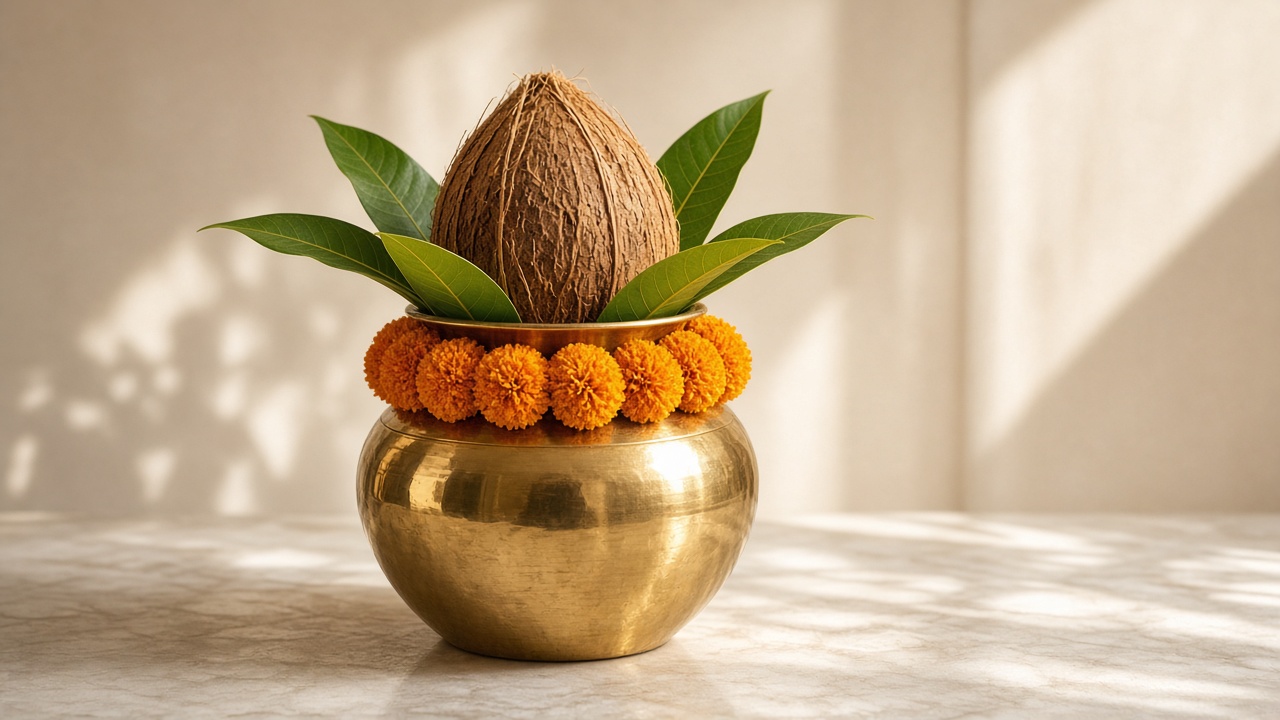
- Kalash, coconut, and mango leaves
- Roli, haldi, rice, and flowers
- Diya, ghee, and camphor
- Havan kund, wood, and havan samagri when fire is included
- Fruits and prasad for naivedya
- Clean cloth for the altar
- Brass or copper vessels as named on WhatsApp
- Incense and matchbox kept away from children
- Drinking water for priests and elders
- Sand or fire-safe mat if havan is on terrace
- Extension board if fan and diya run together
- The family’s gotra and names written for sankalp
The exact list for your day is sent on WhatsApp. This page does not sell a kit, and it does not say the materials are included in a fee.
Questions
Every Saturday for weeks?
Common for multi-day jap; count is fixed in advance.
Same as Sade Sati page?
Sade Sati shanti is a related but separate booking title.
Oil offering who receives?
Family directs per custom; priest guides vidhi only.
Elderly yajman seating?
Chair near altar is fine; breaks built into long jap.
Saturday evening?
Possible; morning is traditional.
Will you check my chart?
No. This is the shanti rite only.