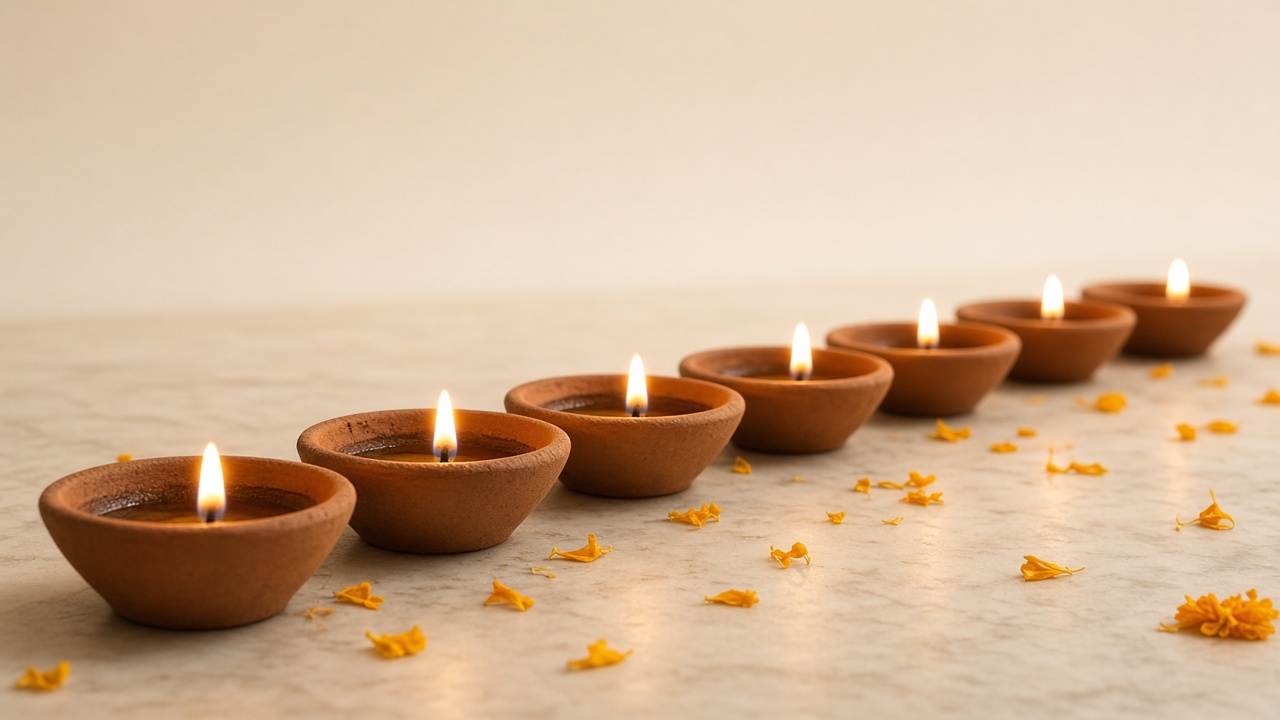
Punsavan Sanskar Pregnancy Ritual
Punsavan Sanskar, also called Pumsavana, is the second of the sixteen Hindu sanskaras, traditionally performed during pregnancy to pray for the unborn child’s wellbeing and virtuou
Punsavan Sanskar Pregnancy Ritual
पुंसवन संस्कार
The rite
Punsavan Sanskar, also called Pumsavana, is the second of the sixteen Hindu sanskaras, traditionally performed during pregnancy to pray for the unborn child’s wellbeing and virtuous life. Modern families often schedule it in the third or fourth month after medical clearance. Pandit Mrityunjay Sharma conducts North Indian Vedic punsavan at your Bengaluru home with samagri listed on WhatsApp after booking. Schedule after your gynecologist approves travel and ceremony length; the mother’s rest matters more than an elaborate guest list. On the day, keep the puja area swept, footwear away from the mandap, and a small table ready for lamp, incense, and prasad plates.
Time at the house: 1–1.5 hours
Pandit Mrityunjay Sharma does this at the house in Bengaluru. The fee is not printed on this page. It is sent on WhatsApp with the material list.
Why families book it
Pregnancy brings joy and anxiety together. Sanskar gives expectant parents a spiritual framework to speak blessings over the baby rather than superstition about gender. Contemporary ethics reject sex-selection; the ritual’s classical intent is health and dharma, not choosing boy or girl.
Pandit Mrityunjay Sharma follows that ethical line. No promise of male child, normal delivery, or freedom from complications is made—medical care leads.
Mother’s comfort is priority: chair, water, and bathroom access nearby. Medical clearance for ceremony attendance is essential. Father participates in sankalp. Avoid gossip about gender; focus blessings on health and character.
When you confirm on WhatsApp, mention apartment or independent house access, parking if needed, and whether elders will join from the ground floor only.
When families ask
- Third or fourth month after doctor confirms stable pregnancy
- On auspicious day elders choose
- When first child had no sanskar and parents want tradition for second
- After IVF success with same prayerful intent
- Combined with godh bharai in some families separately
- Before travel pause when mother rests at home
- When prior attempts to DIY ritual felt incomplete or out of order
- When parents visiting Bengaluru expect a proper pandit-led ceremony
- When you want samagri cross-checked against what is already in your home mandir cupboard
- When elders want a printed samagri checklist reviewed on WhatsApp before shopping
Short vidhi
- Ganesh invocation
- Sankalp with parents’ names
- Mother seated comfortably; stress avoided
- Mantra over sip of ghee or curd drop as vidhi specifies lightly
- Blessing of fruits and sweets for mother
- Prayer for intellect and character of child
- Arati
- Prasad
- Guidance on satvik living during pregnancy
- Brief review of next-day or follow-up customs the family may continue alone
- Collection of used flower and fruit offerings for respectful disposal guidance
The pandit confirms the order on WhatsApp before the visit.
Samagri
- Small quantity ghee
- Curd
- Honey drop optional
- Turmeric, kumkum
- Flowers
- Fruits rich in iron
- Sweets
- Incense mild
- Ghee lamp
- Rice
- Coconut
- New blouse piece for mother optional
The exact list for your day is sent on WhatsApp. This page does not sell a kit and does not say materials are included in a fee.
Questions
Is this for gender selection?
No. Pandit performs ethical wellbeing sankalp only.
High-risk pregnancy?
Get doctor approval; ceremony can be shortened.
Father only if mother unwell?
Sankalp adapts with mother’s consent.
Difference from seemantham?
Seemantham is often later baby shower; punsavan earlier sanskar.
Twins?
One sankalp naming both.
Hospital setting?
Usually home before admission days.
Healthy baby guaranteed?
No. Worship plus prenatal medical care.
Which month of pregnancy is ideal?
Often third or fourth month after medical stability. Your doctor’s clearance matters more than calendar pressure from relatives.